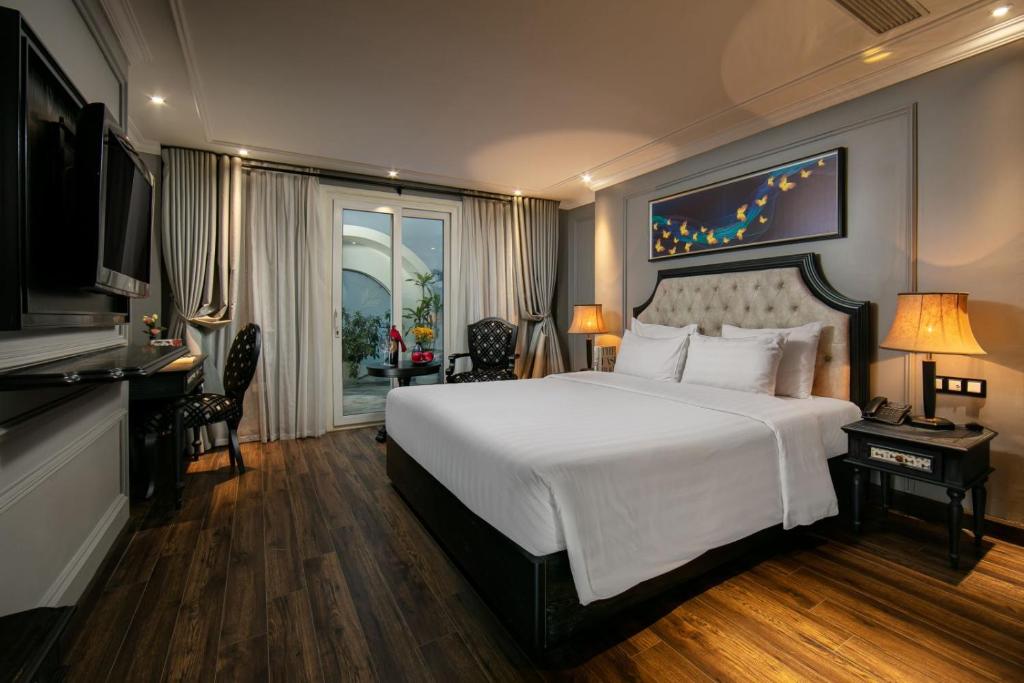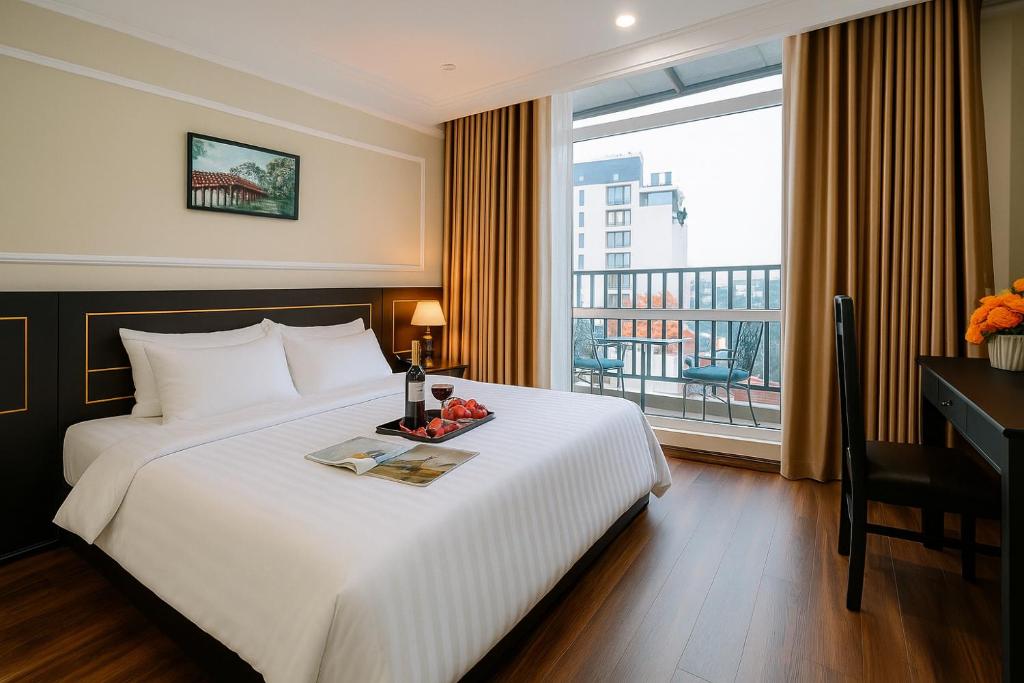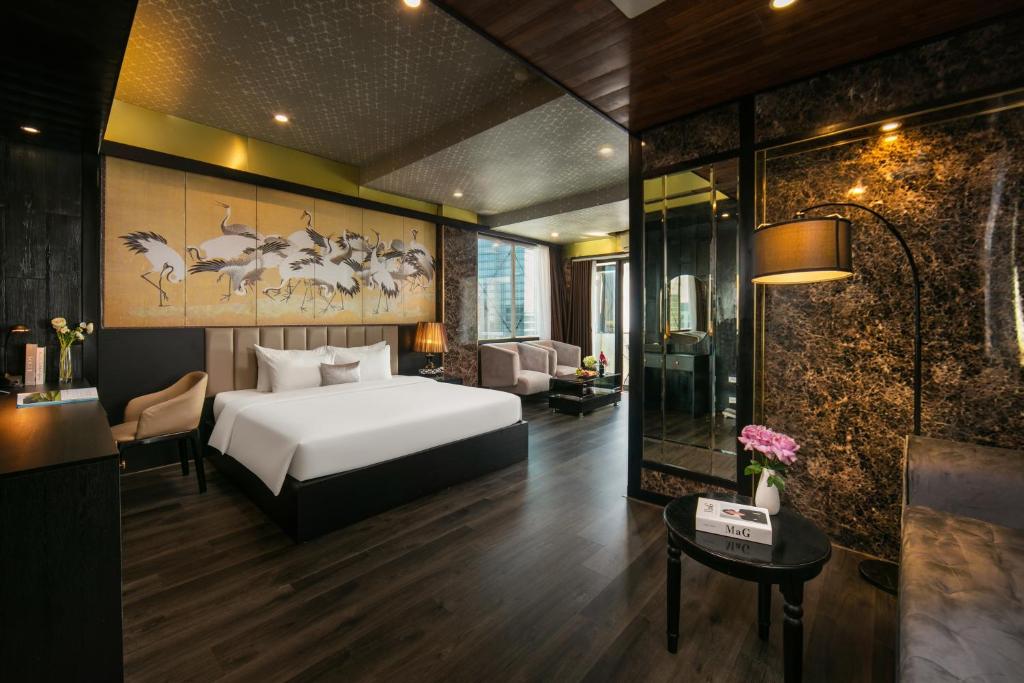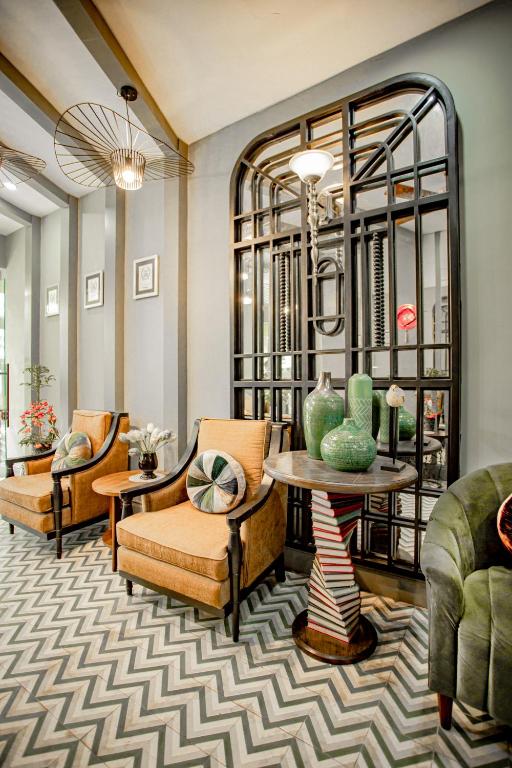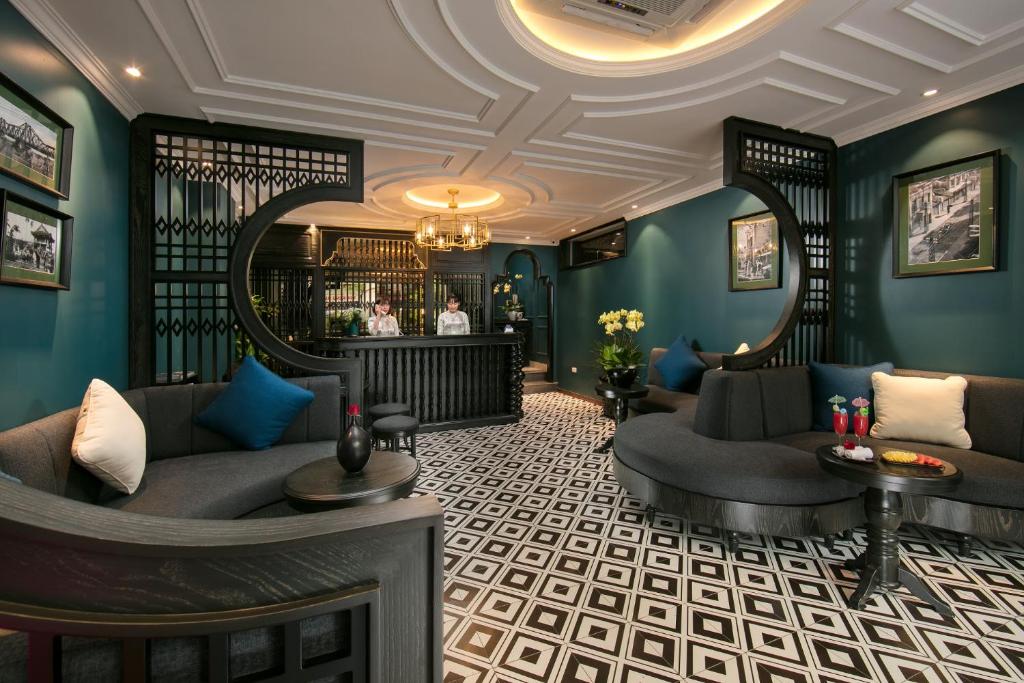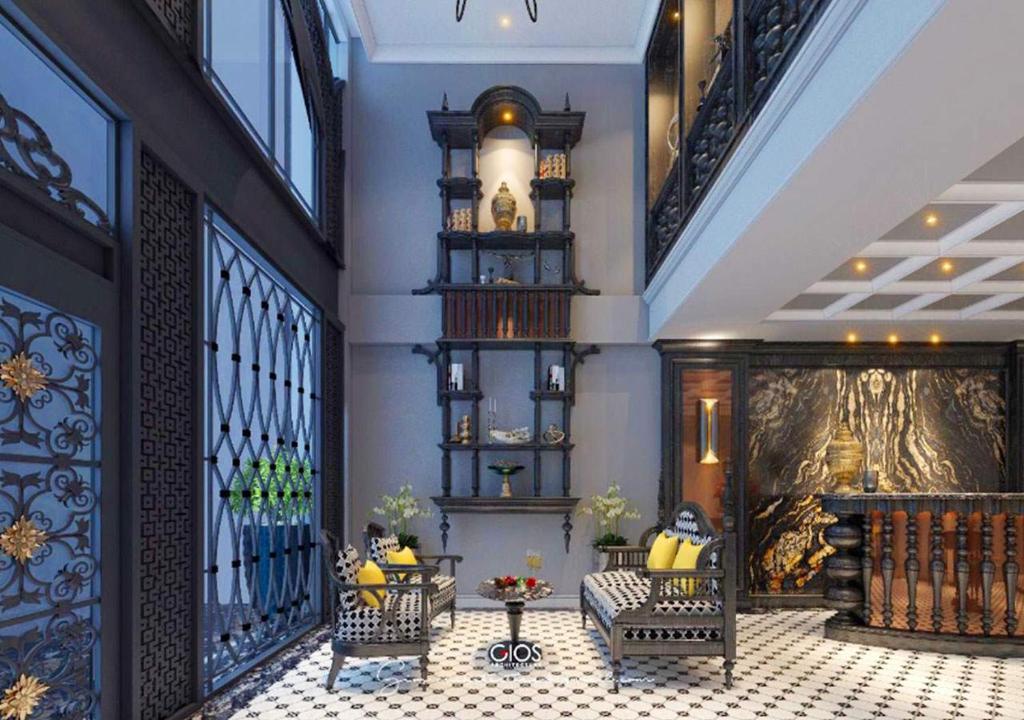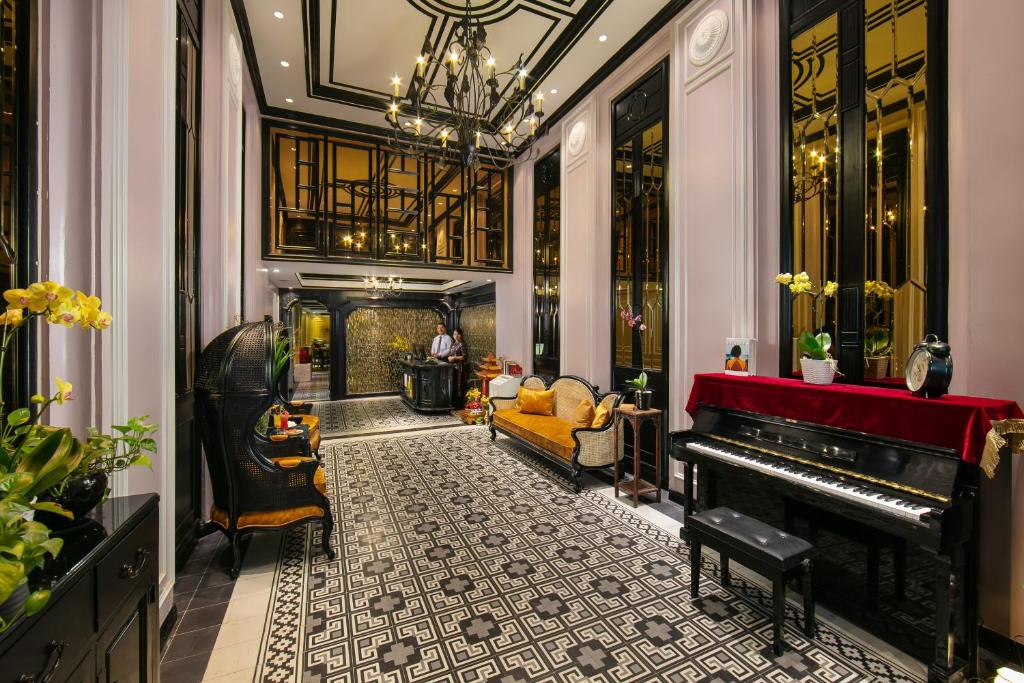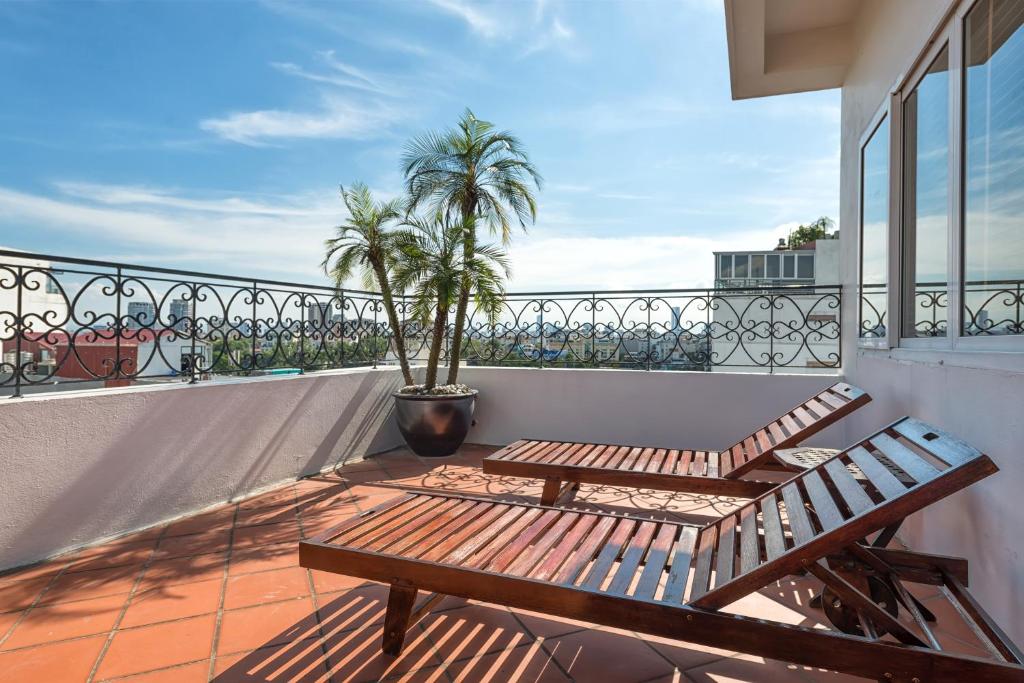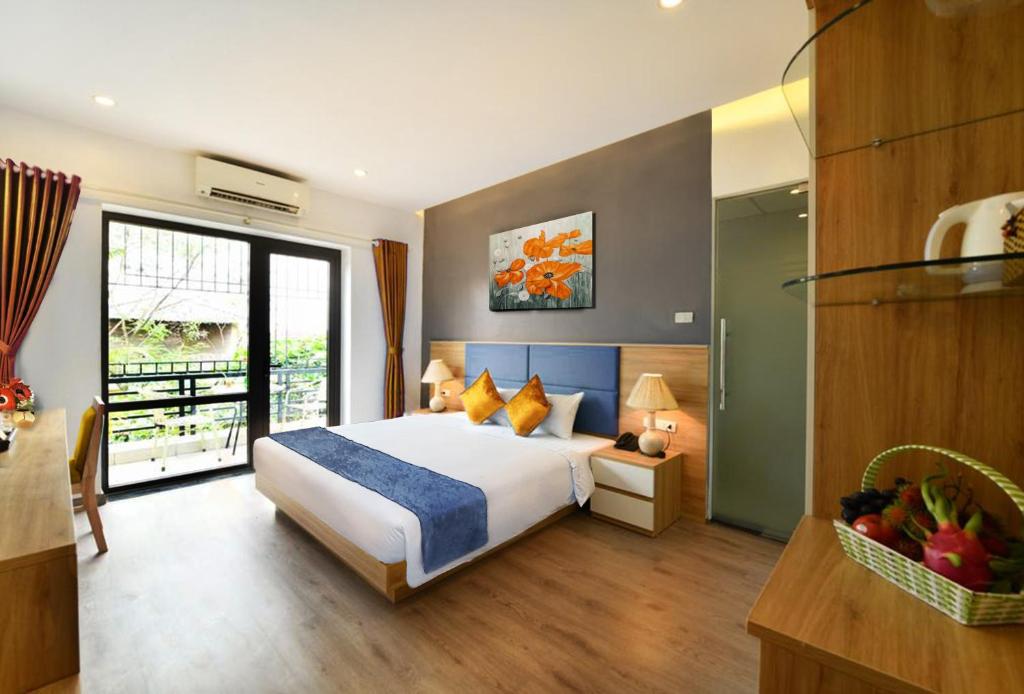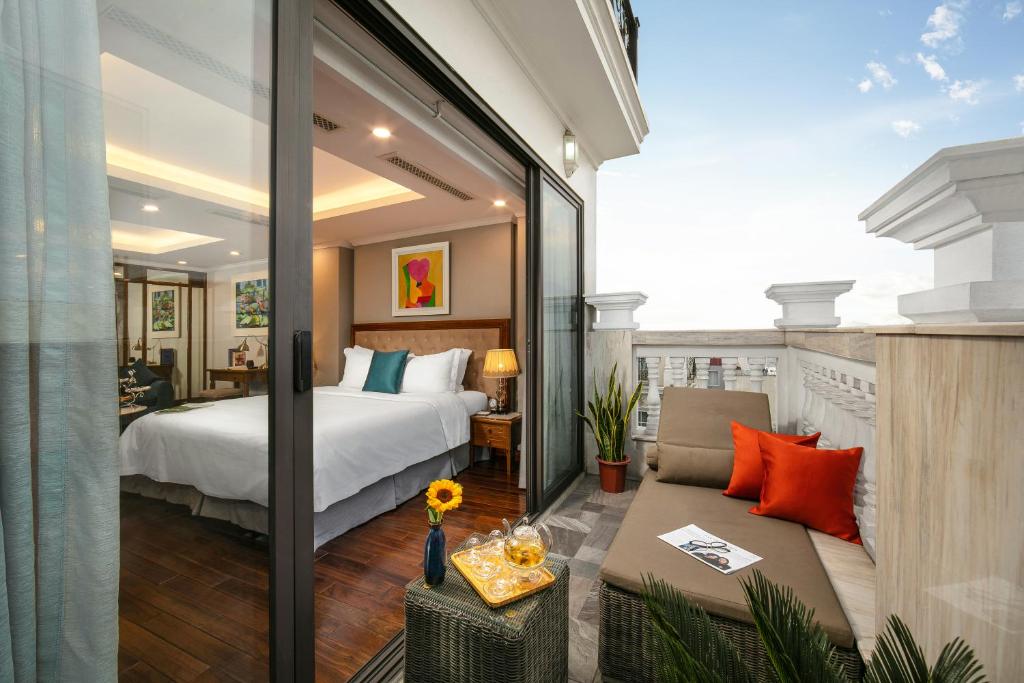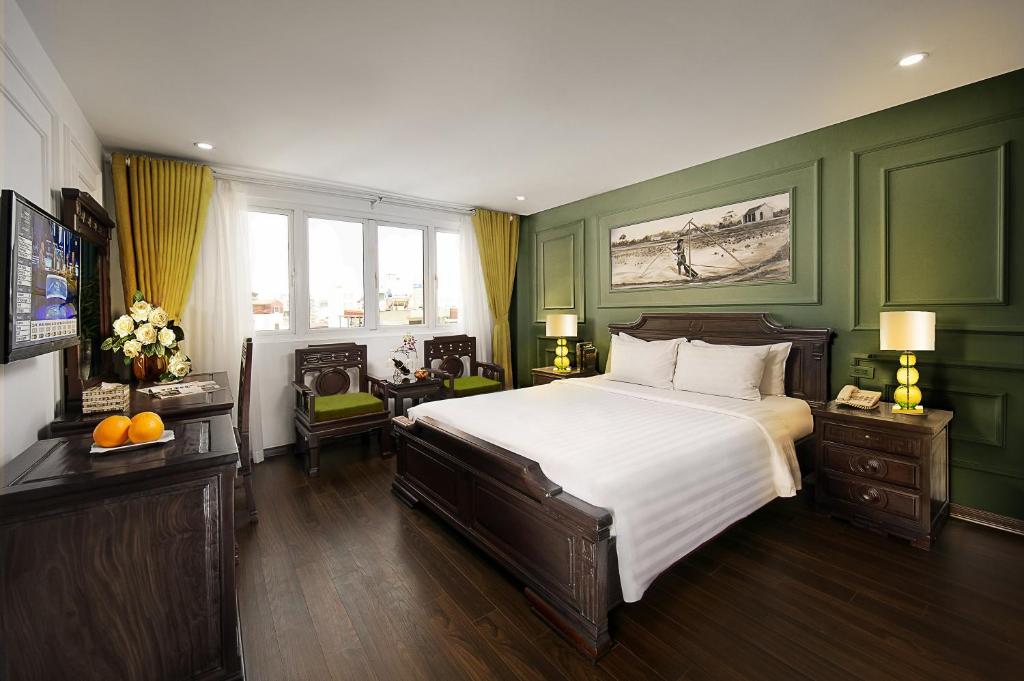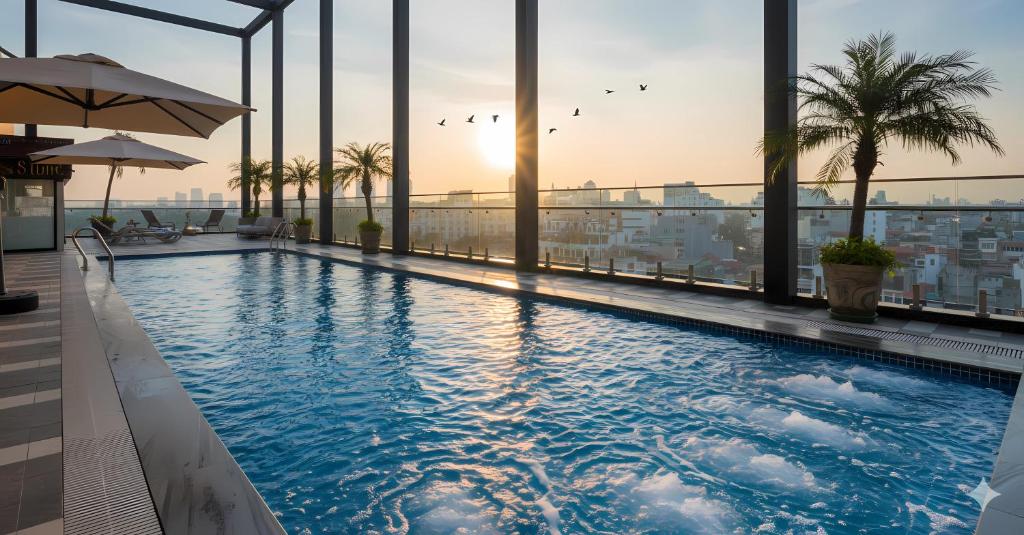
MAY DE VILLE Lakeside Hotel
Old Quarter · 0.5 km from the centre
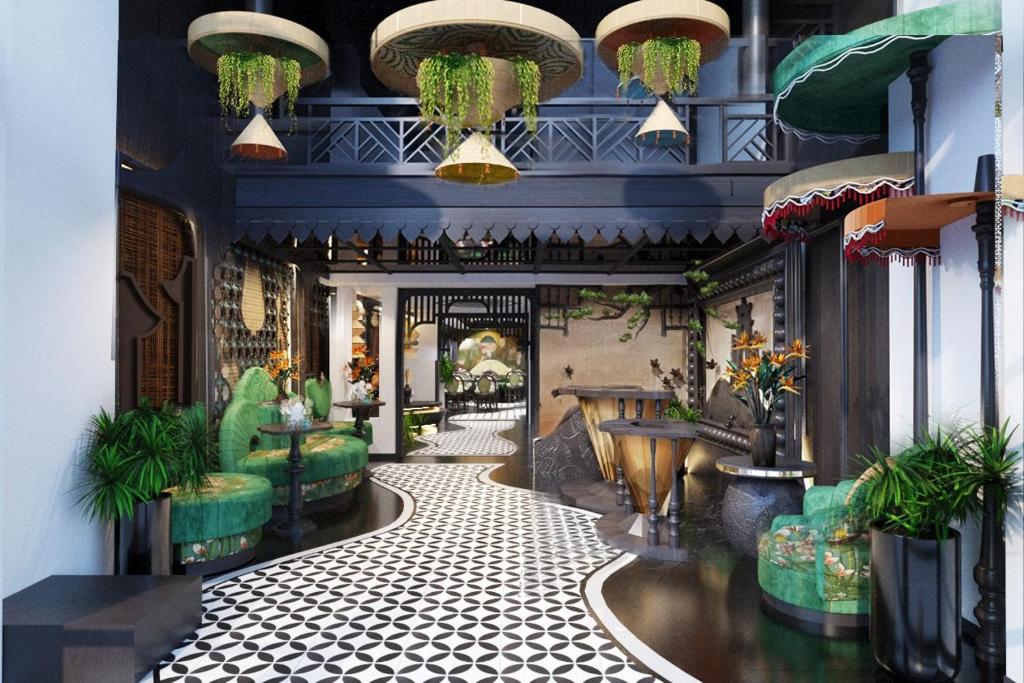
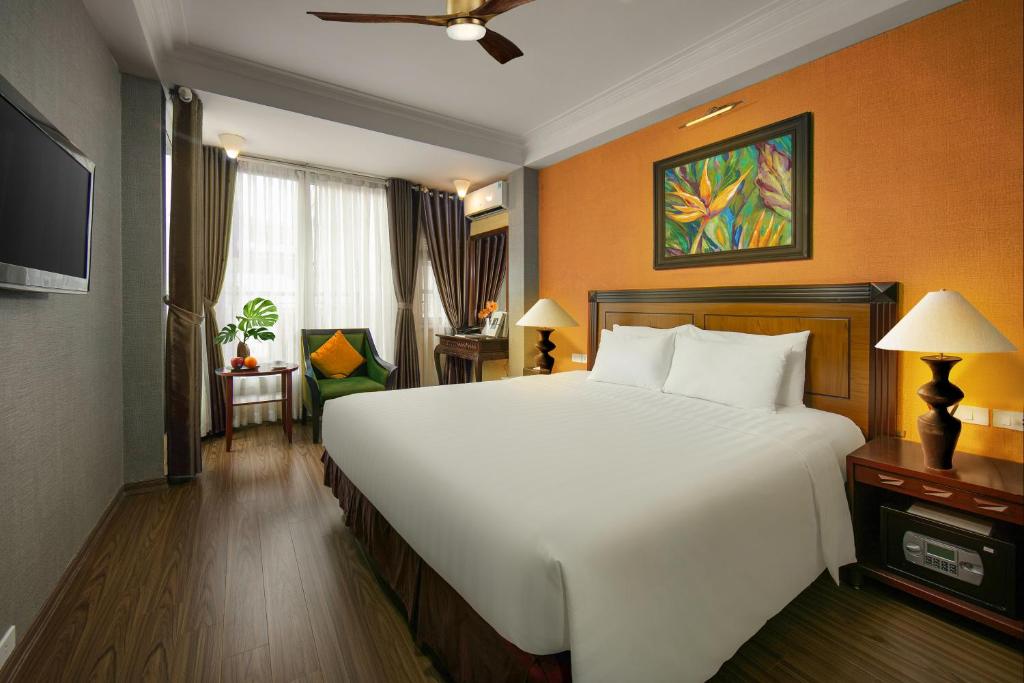
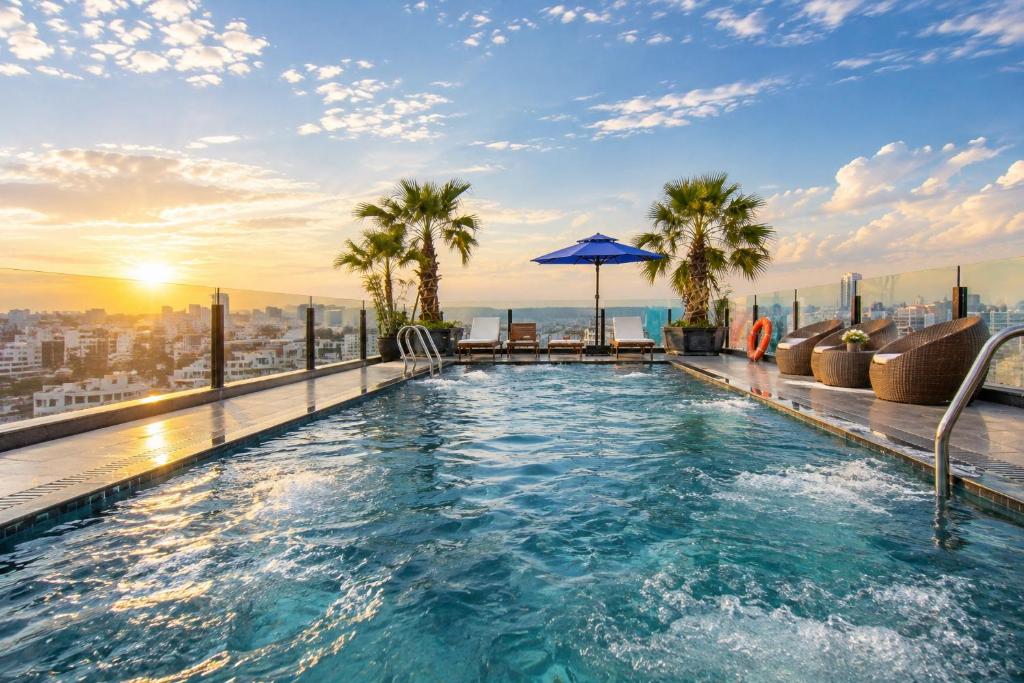
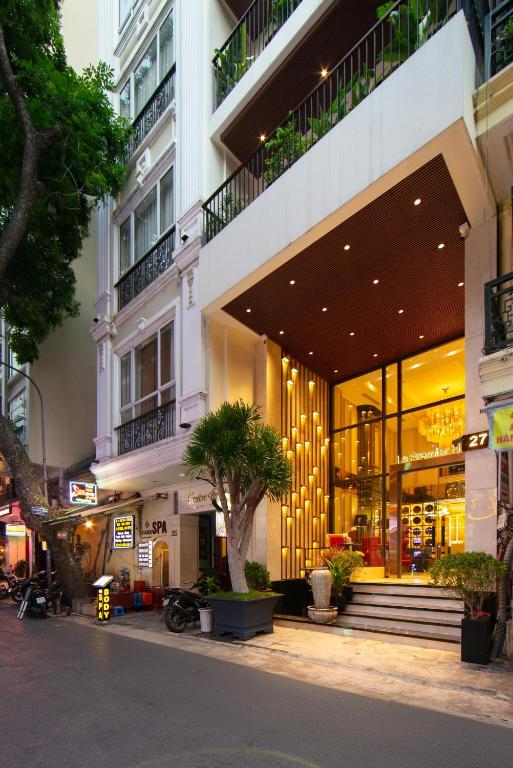
Five-star hotel in Hanoi’s Old Quarter with lake-view rooms, varied breakfast, a restaurant and rooftop bar, plus family rooms and spa facilities.
683 accommodations
Old Quarter · 0.5 km from the centre
Five-star hotel in Hanoi’s Old Quarter with lake-view rooms, varied breakfast, a restaurant and rooftop bar, plus family rooms and spa facilities.
Old Quarter · 0.8 km from the centre
A 4-star hotel in Hanoi’s Old Quarter with family rooms, a restaurant, wellness facilities and balcony suites overlooking the city.
Old Quarter · 0.5 km from the centre
A 4-star hotel on Hang Be Street in Hanoi’s Old Quarter, with traditional Vietnamese décor, varied breakfast choices, family rooms, a spa and airport transfers.
Old Quarter · 0.7 km from the centre
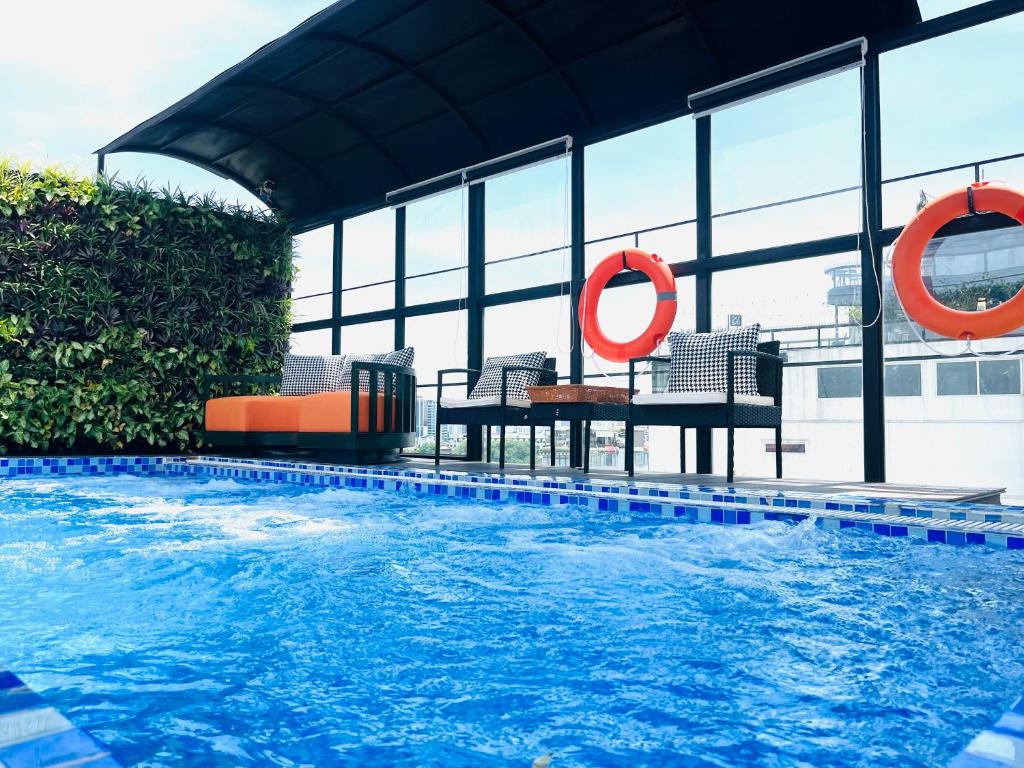
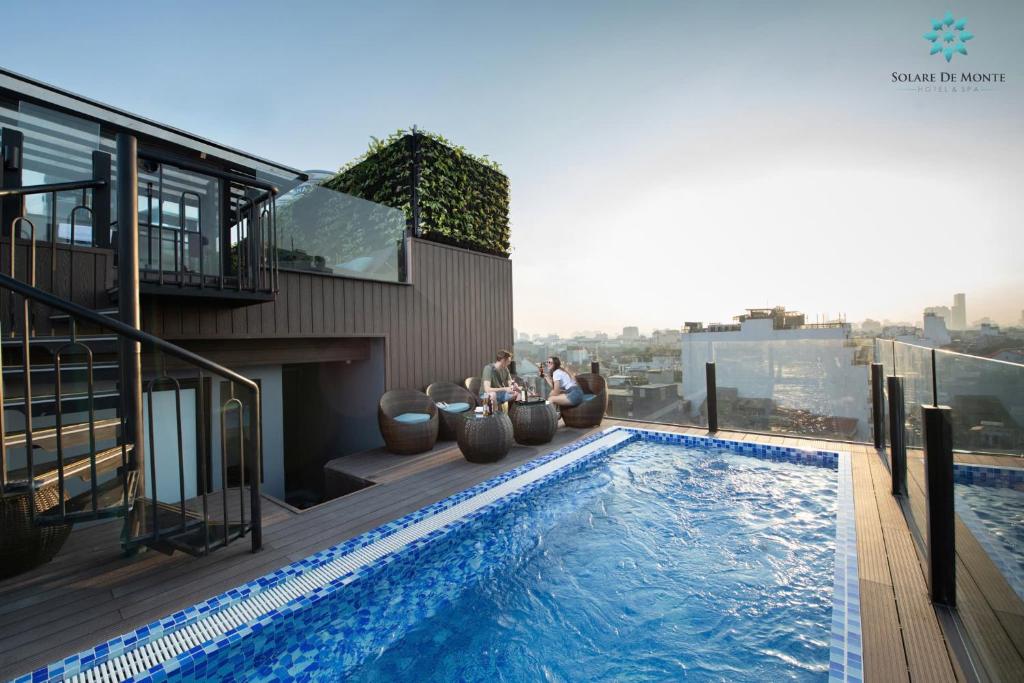
A 5-star hotel in Hanoi’s Old Quarter with a rooftop pool, spa and fitness centre, varied breakfast choices, and rooms ranging from internal-window doubles to city-view suites.
Old Quarter · 0.4 km from the centre
A four-star Hanoi hotel in the Old Quarter with family rooms, lake and city views, a rooftop bar, varied dining and Hoan Kiem Lake nearby.
Old Quarter · 0.4 km from the centre
A four-star hotel in Hanoi's Old Quarter, with a rooftop bar overlooking Hoan Kiem Lake, a varied buffet breakfast, a restaurant and family suites with balconies.
Old Quarter · 0.4 km from the centre
A four-star hotel in Hanoi's Old Quarter, Ha Noi Lake View Hotel & Travel offers family rooms, city views, a balcony suite, varied breakfast and an airport shuttle.
Old Quarter · 0.4 km from the centre
A four-star Hanoi Old Quarter hotel with family rooms, city-view suites and private hot tubs, plus a spa, buffet breakfast and Hoan Kiem Lake 450 m away.
Old Quarter · 0.7 km from the centre
A four-star hotel on Ta Hien Street in Hanoi’s Old Quarter, with family connecting rooms, city-view suites, an on-site spa and Asian dining.
Old Quarter · 0.8 km from the centre
A four-star hotel in Hanoi’s Old Quarter, Grande Collection Hotel & Spa offers an included buffet breakfast, a spa and wellness centre, and family rooms with city-view balcony opti...
Old Quarter · 0.4 km from the centre
A four-star hotel in Hanoi’s Old Quarter, with family suites, varied breakfast choices, spa facilities and Hoan Kiem Lake 450 m away.
Old Quarter · 0.6 km from the centre
A four-star hotel in Hanoi’s Old Quarter with city-view rooms, a restaurant serving breakfast, a spa and Hoan Kiem Lake 550 m away.
Old Quarter · 0.4 km from the centre
A 4-star hotel in Hanoi’s Old Quarter with soundproofed rooms, varied buffet breakfast, family accommodation and a 60 m² penthouse suite with a terrace.
Old Quarter · 0.4 km from the centre
A 5-star hotel in Hanoi’s Old Quarter with a rooftop pool, spa and fitness centre, varied breakfast choices, and family and connecting rooms.
Old Quarter · 0.9 km from the centre
A 5-star hotel in Hanoi's Old Quarter with a rooftop pool, varied breakfast choices, family rooms and cultural activities, close to temples, market streets and Hoan Kiem Lake.
Old Quarter · 1.0 km from the centre
A 3-star hotel in Hanoi’s Old Quarter with family suites, balcony rooms, breakfast choices and an on-site restaurant, close to Dong Xuan Market and Hoan Kiem Lake.
Old Quarter · 0.5 km from the centre
A four-star hotel in Hanoi’s Old Quarter with a restaurant, spa and varied breakfast choices. Suites feature city views, balconies and terraces, with family rooms for up to four.
Old Quarter · 0.3 km from the centre
A 3-star hotel in Hanoi’s Old Quarter with family rooms and balcony suites, Vietnamese dining, free in-room WiFi and a tour desk near Hoan Kiem Lake.
Old Quarter · 0.3 km from the centre
A 4-star hotel in Hanoi's Old Quarter, with city-view balcony suites, a spa and varied breakfast options close to Hoan Kiem Lake and historic sights.
Old Quarter · 0.5 km from the centre
A 4-star hotel in Hanoi’s Old Quarter with family rooms, a European restaurant, terrace and varied breakfast choices, close to Hoan Kiem Lake and local landmarks.
The Old Quarter is the historic merchant town of Hanoi, a dense grid of narrow streets between Hoan Kiem Lake and the Red River. For centuries each street was home to one guild, and the names still tell the story: Hang Bac for silver, Hang Gai for silk, Hang Ma for paper goods, Hang Thiec for tin, Hang Duong for sugar. Many streets still specialise in one trade, and between the shops are tube houses only a few metres wide, temples, communal houses, street-food stalls and tiny cafés. It is the busiest, noisiest and most atmospheric part of the city, and the place most visitors choose for a first stay.
On this site the Old Quarter covers the streets north of Hoan Kiem Lake between Phung Hung, Hang Dau and Tran Quang Khai, plus Hang Bong and the area around St Joseph's Cathedral just west of the lake. Since July 2025 it has been part of Hoan Kiem ward, but everyone still calls it the Old Quarter.
The Old Quarter suits first-time visitors, short stays, couples, solo travellers and anyone who wants to walk everywhere: the lake, the markets, the bars and most of the classic sights are within 20 minutes on foot. It is also the main departure point for tours to Ha Long Bay, Ninh Binh and Sa Pa, with pick-ups from almost every hotel.
The trade-offs are noise, crowds and small rooms. Motorbikes, vendors and music start early and finish late, especially on Friday and Saturday nights near Ta Hien street. Pavements are often taken up by parked motorbikes and food stalls, so walking means sharing the street. Light sleepers may prefer the French Quarter or Truc Bach.
The 683 properties listed in this area are mostly hotels, from simple guest houses to four- and five-star boutique hotels, followed by apartments, homestays and a few hostels. Guest ratings are among the highest in the city, with a median of about 8.8 out of 10 on this site, and many hotels are small family businesses with attentive staff.
The typical Old Quarter hotel is a tall, narrow building with a lift, a reception on the ground floor and a breakfast room or rooftop bar at the top. Rooms are often small, and some cheaper rooms have no window or only an internal one: check the room description before booking, and ask for a room at the back or on a higher floor if you are sensitive to noise. As a guide for 2026, hostel beds cost about 200,000 to 400,000 VND a night, simple hotel rooms about 400,000 to 900,000 VND and three-star boutique hotels about 1,000,000 to 2,000,000 VND. Many hotels include breakfast and can arrange airport transfers and tours.
Hoan Kiem Lake, on the southern edge of the quarter, is the heart of the city: walk around it at dawn, when people exercise along the shore, or in the evening, when it is lit up. On a small island in the lake is Ngoc Son Temple, reached by the red The Huc Bridge (about 30,000 VND). From Friday evening to Sunday night the streets around the lake and some of the Old Quarter close to traffic and become a walking street with music, games and street food.
In the quarter itself, Dong Xuan market is the largest covered market in the city, the preserved merchant house at 87 Ma May shows how families lived and worked in a tube house, Bach Ma Temple is one of the oldest in Hanoi, and the old city gate O Quan Chuong is the last of its kind. St Joseph's Cathedral, completed in 1886, stands just west of the lake among cafés and boutiques. In the evening the bars of Ta Hien street fill with locals and visitors drinking cheap draught beer on low stools, and the Thang Long water puppet theatre by the lake has several shows a day (about 100,000 to 200,000 VND).
From Noi Bai International Airport, about 30 km away, a ride-hailing car takes 45 to 60 minutes and costs about 250,000 to 400,000 VND, and a metered taxi about 350,000 to 450,000 VND. The airport express bus 86 stops by Hoan Kiem Lake and costs about 45,000 VND. Some streets are pedestrian at weekends and many are one-way, so cars may drop you at the corner of the street rather than at the door.
Hanoi railway station is about 1.5 to 2 km to the south-west, and Long Bien station, for some trains to the north, is on the edge of the quarter. Inside the quarter everything is best done on foot; ride-hailing motorbikes and cars are cheap for trips further out.
Autumn, from about October to November, and spring, from about March to April, are the most pleasant times for walking. Summer is hot and humid, with heavy showers, and winter, from December to February, is cool and grey but good for hot pho and coffee breaks. The weekend walking street is busiest on Saturday evenings. Around Tet, the Lunar New Year in late January or February, Hang Ma and Hang Luoc streets are full of decorations and flowers, but many shops and small hotels close for a few days.
Life in the Old Quarter happens on the pavement. At dawn, vendors with shoulder poles bring fruit and flowers, and the first breakfast stalls open with pho, sticky rice and banh mi. By mid-morning the shops are open, motorbikes fill the streets and every corner has a café, from tiny places serving egg coffee up a narrow staircase to rooftop terraces with views over the tiled roofs. Many families still live above their shops, and in the evening they sit outside, cook on the pavement and chat with neighbours.
The quarter is also the backpacker and nightlife centre of Hanoi. Around Ta Hien, Luong Ngoc Quyen and Ma May streets there are bars, travel agencies, hostels and restaurants with menus in English, and the streets stay busy until late, especially at weekends. A few streets away the atmosphere can be quite different: in the guild streets of the west and north of the quarter, shops sell everything from tin boxes to traditional medicine, with few tourists in sight.
For travellers the key is choosing the right street: lively and central near the lake and Ta Hien, quieter on the side streets and around the cathedral. Either way, the Old Quarter is the easiest place in Hanoi to step out of the hotel and be in the middle of the city.
For a first visit, usually yes: it is central, walkable and full of restaurants and cafés, with hotels at every price. If you prefer quiet, the French Quarter or Truc Bach in Ba Dinh are good alternatives close by.
Yes, especially around Ta Hien street and on Friday and Saturday nights. Ask for a room on a higher floor or facing an alley, and bring earplugs if you sleep lightly.
About 30 km from Noi Bai International Airport: 45 to 60 minutes by car or about an hour by the airport express bus 86.
From Friday evening to Sunday night, when the streets around Hoan Kiem Lake and part of the Old Quarter close to traffic.