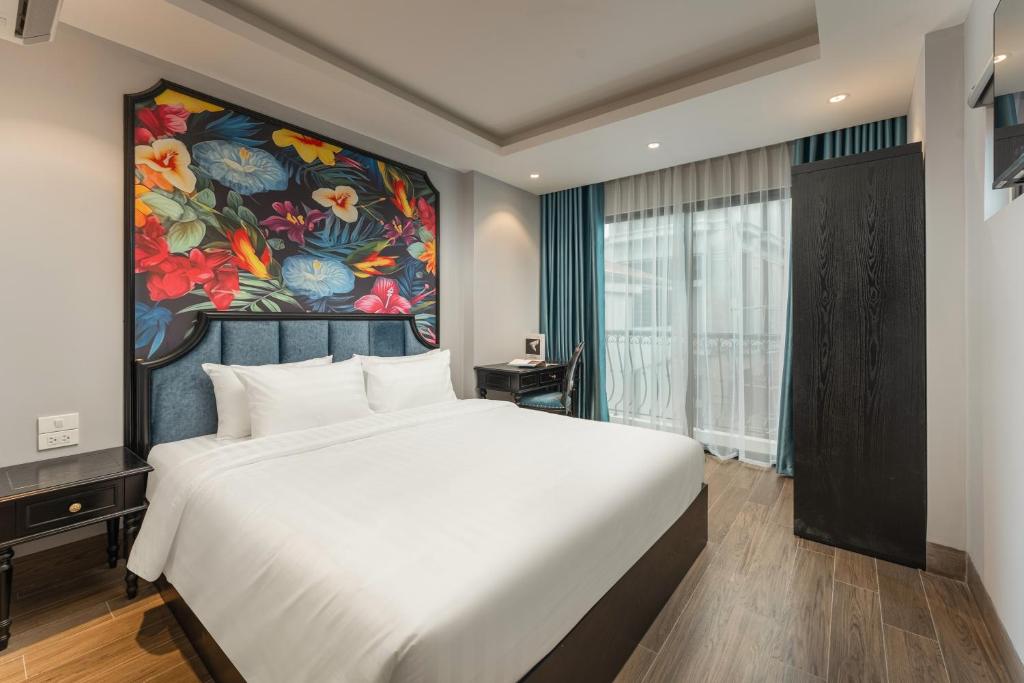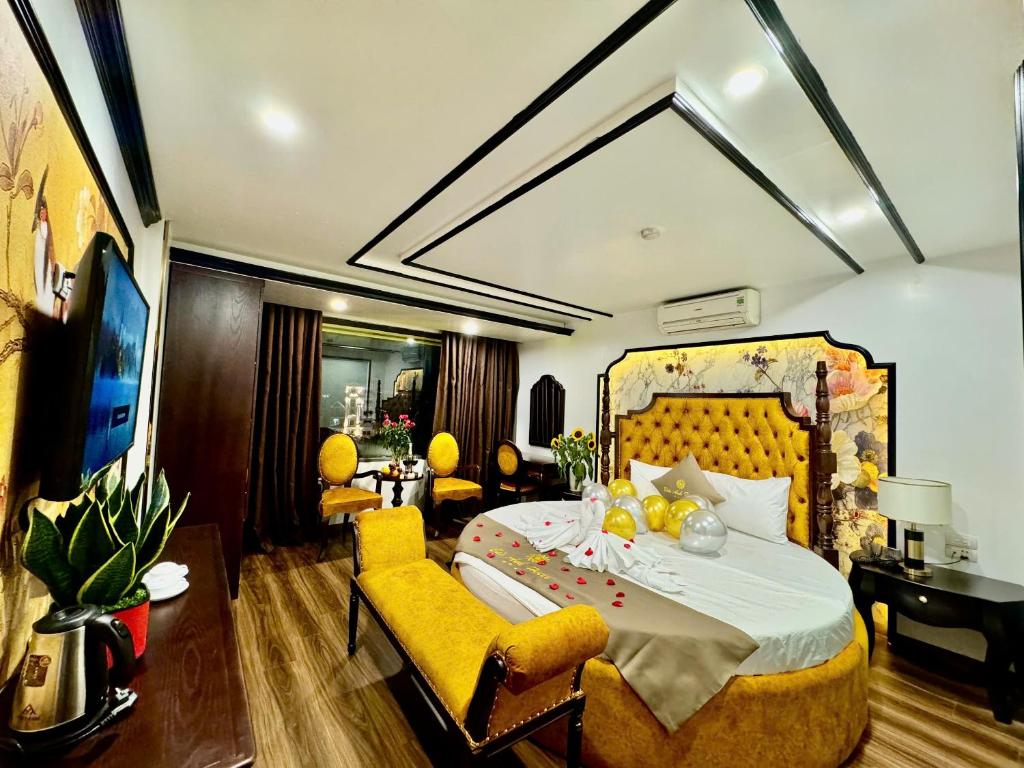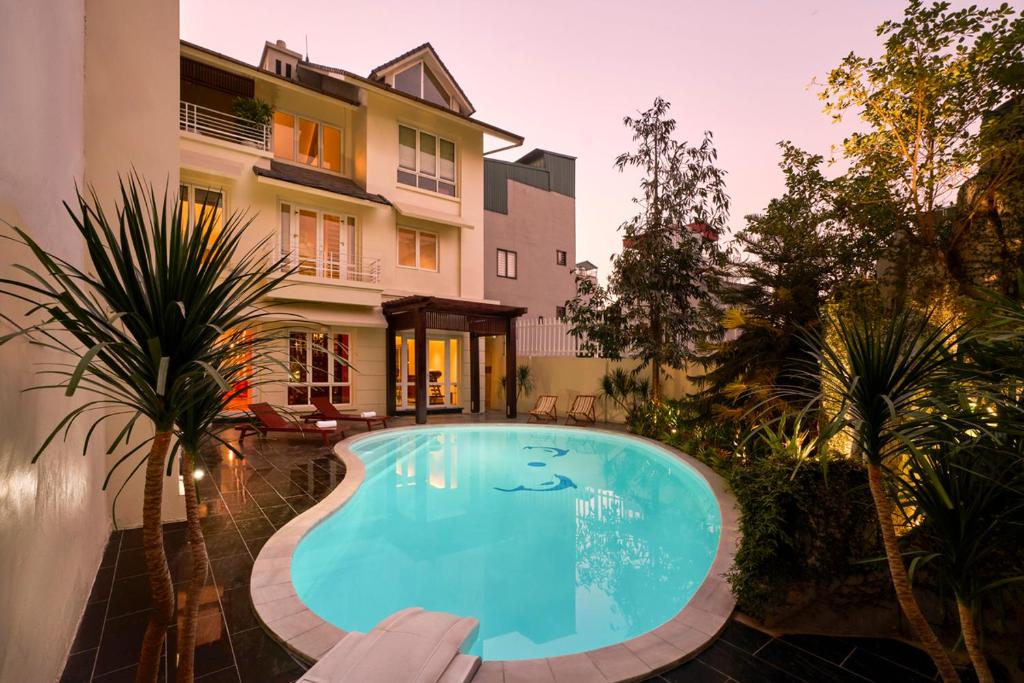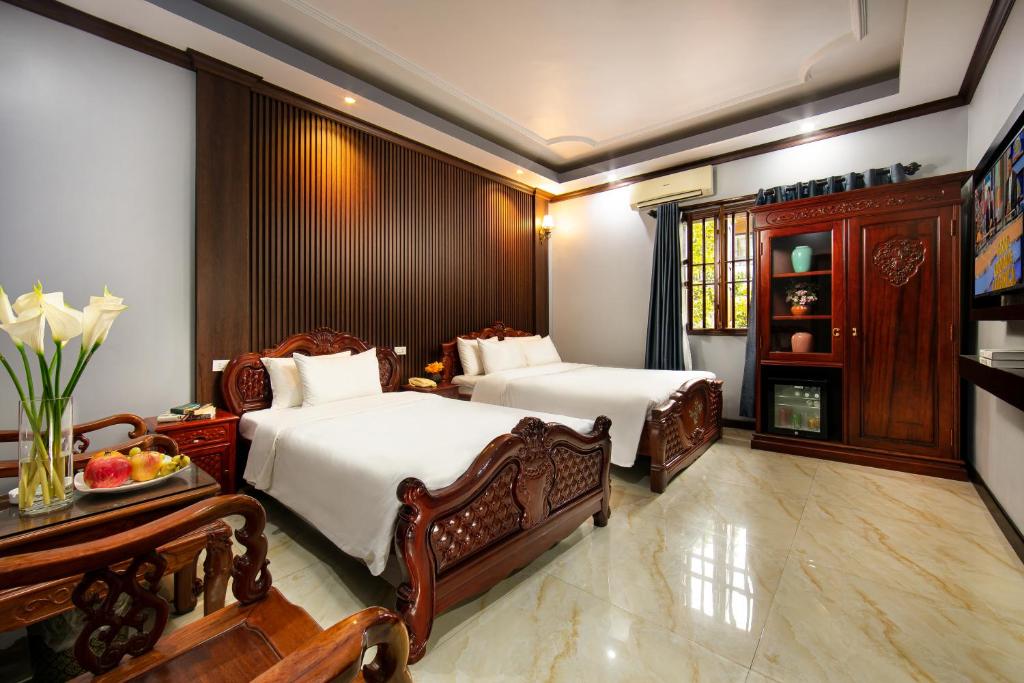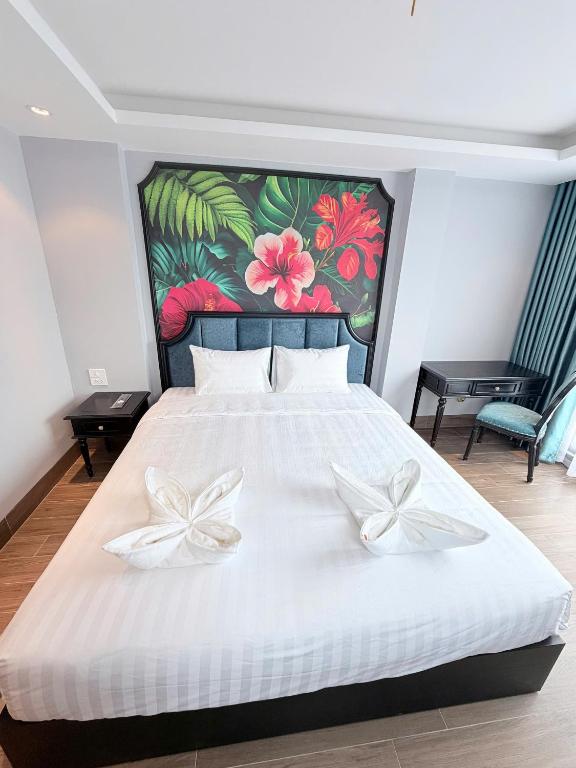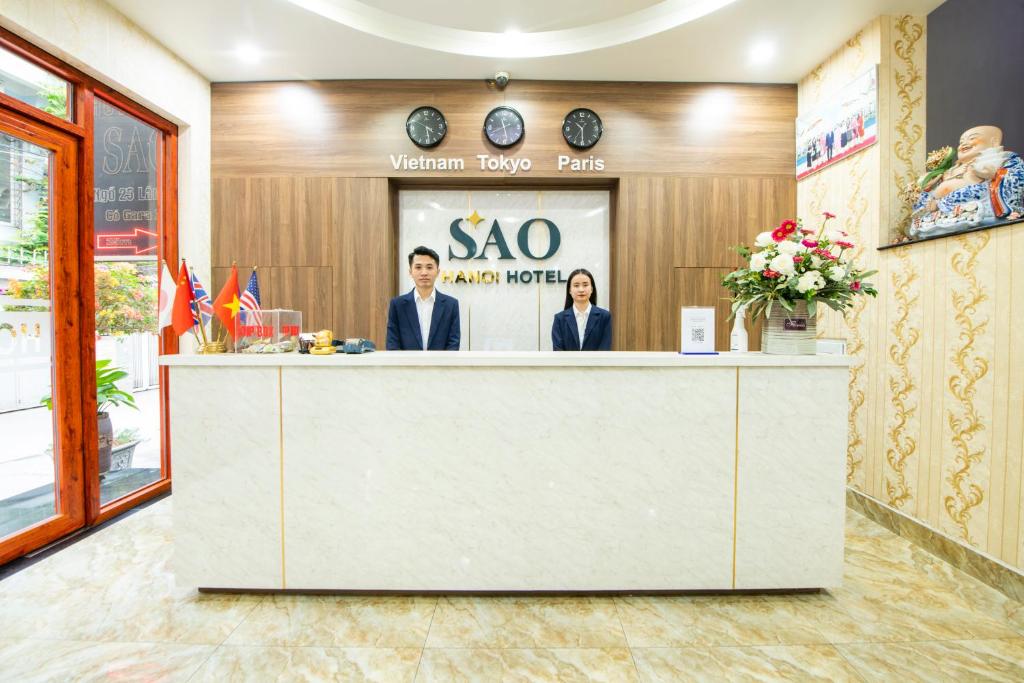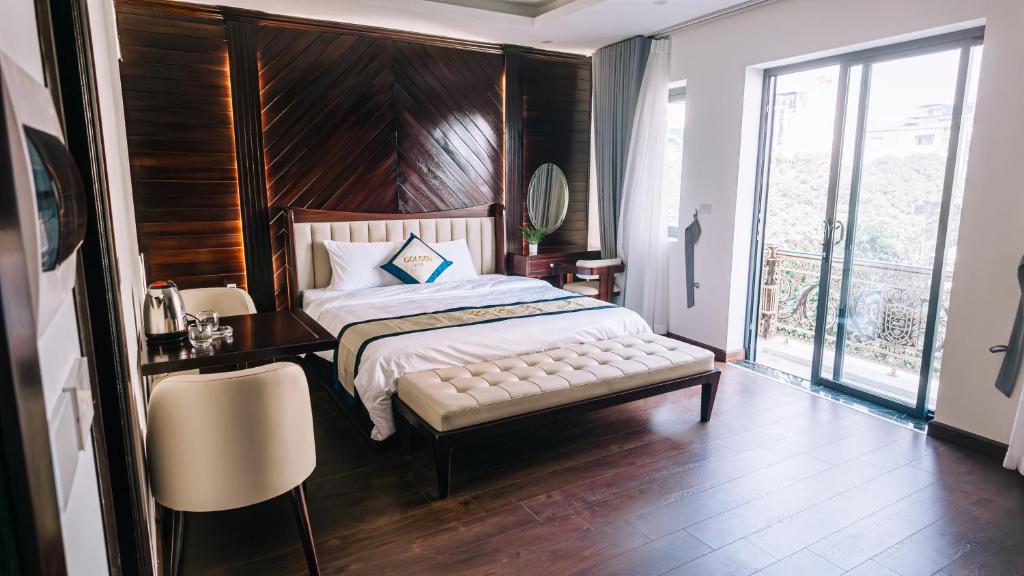
Lucky Budda Inn Villa
Long Bien · 2.6 km from the centre
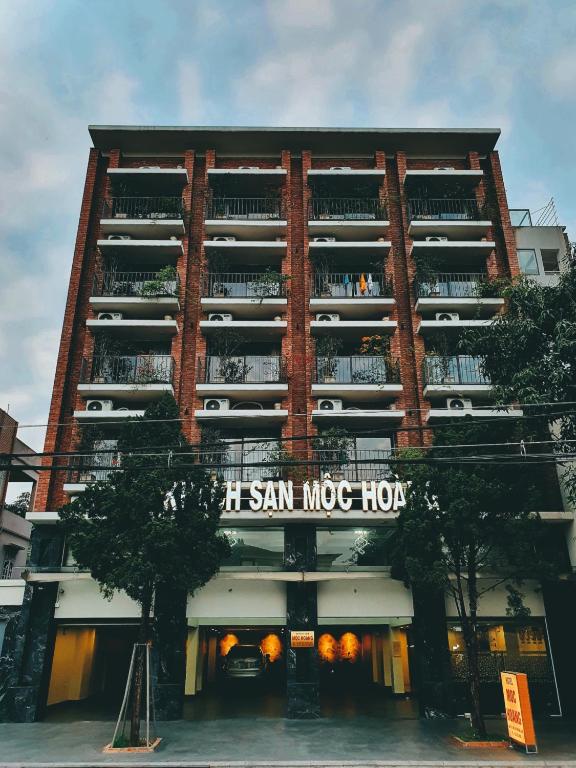
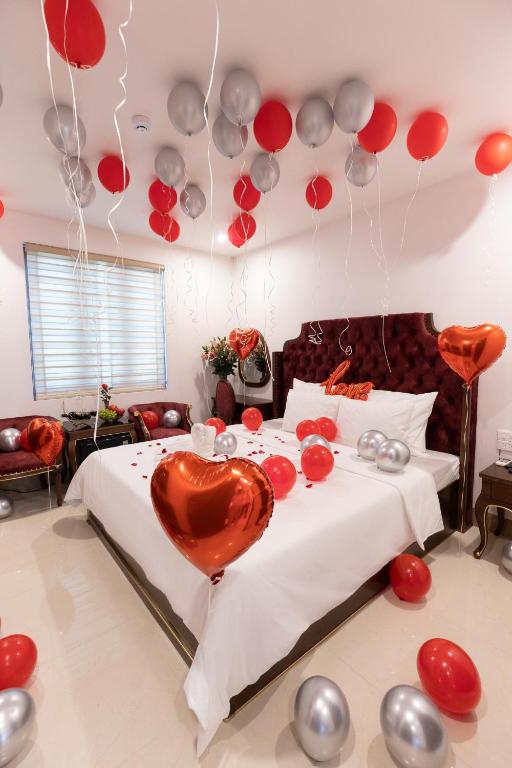
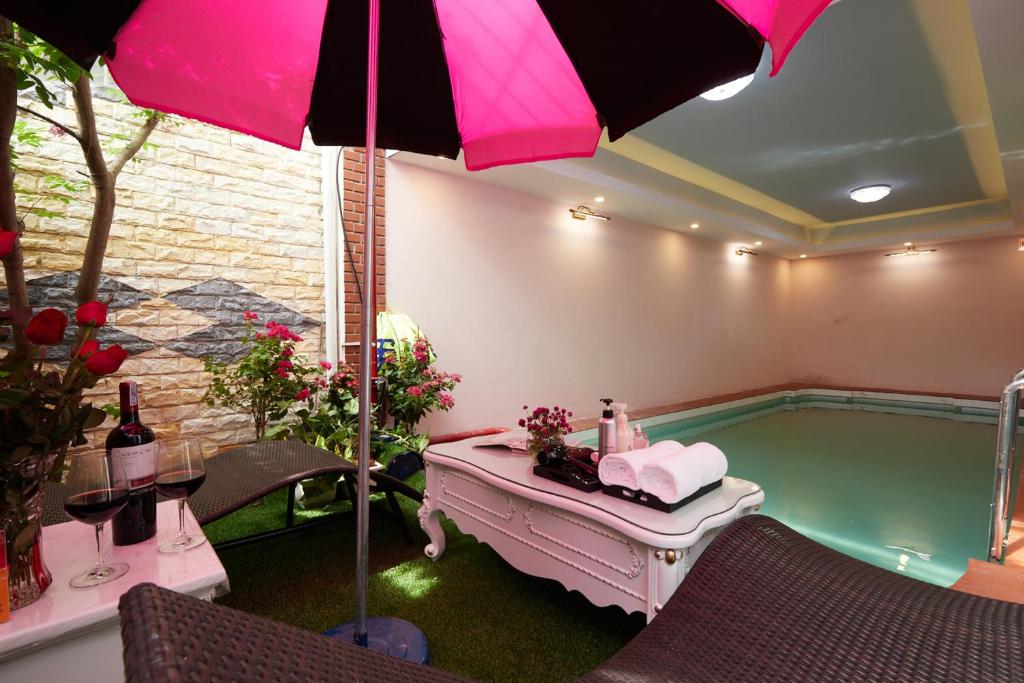
A 3-star hotel in Long Bien, Hanoi, with an indoor pool, family rooms, a garden and tour activities, plus free public parking and WiFi.
42 accommodations
Long Bien · 2.6 km from the centre
A 3-star hotel in Long Bien, Hanoi, with an indoor pool, family rooms, a garden and tour activities, plus free public parking and WiFi.
Long Bien · 2.8 km from the centre
Aurora Hotel & Apartment is a 3-star hotel in Long Bien, Hanoi, with family rooms for four, a paid airport shuttle, free WiFi and a terrace in selected rooms.
Long Bien · 4.3 km from the centre
A 3-star hotel in Long Bien, Hanoi, with family rooms, city-view options, a sun terrace, indoor and outdoor play spaces, and free private parking nearby.
Long Bien · 2.7 km from the centre
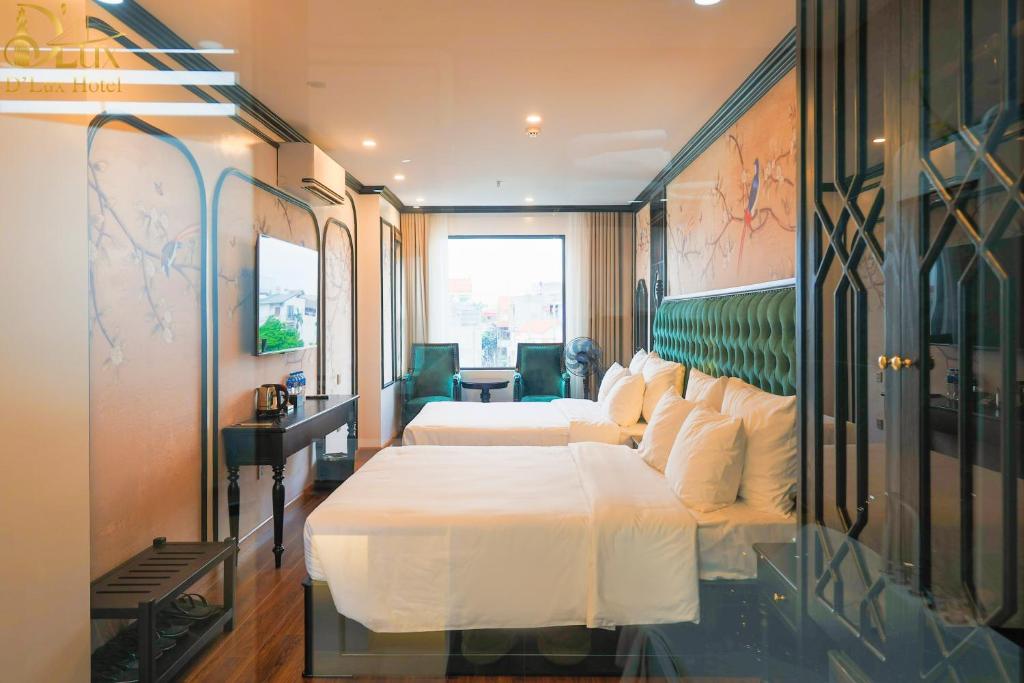
D'Lux Hotel is a 3-star hotel in Long Bien, Hanoi, with family rooms for up to four, city and river views, a sun terrace and free private parking.
Long Bien · 3.1 km from the centre
An adults-only 4-star hotel in Long Bien, Hanoi, with an indoor pool, fitness room, shared kitchen, and a range of city-view rooms and suites.
Long Bien · 1.9 km from the centre
A 3-star hotel in Long Bien, Hanoi, with family and river-view rooms, free private parking, a garden and access to nearby temples and local markets.
Long Bien · 2.1 km from the centre
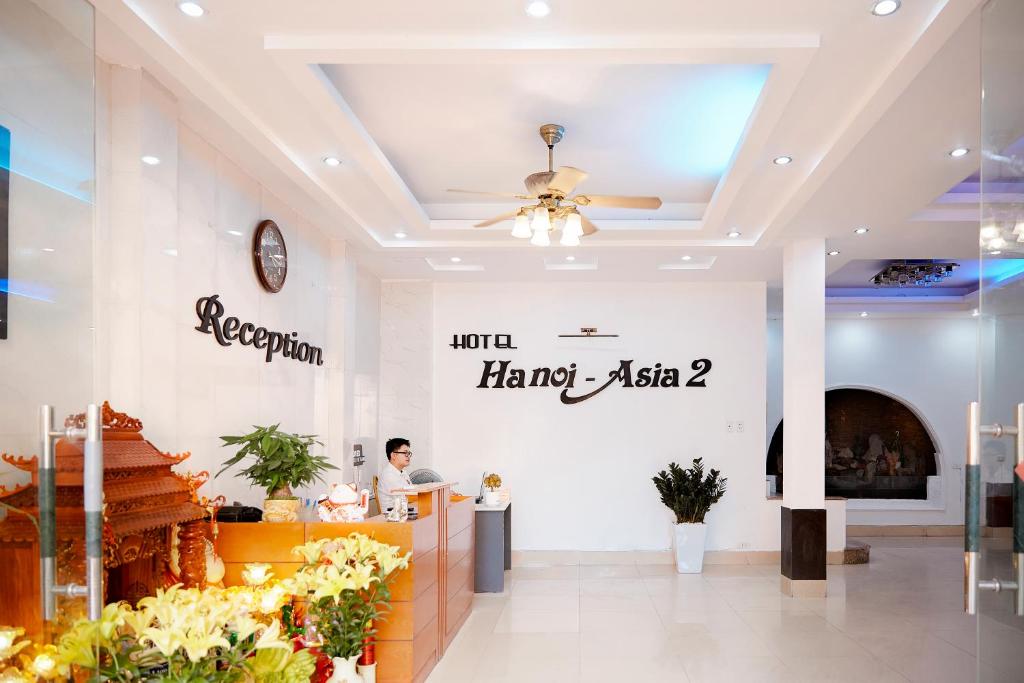
Hanoi Asia 2 Long Bien is a 2-star hotel in Long Bien, Hanoi, with family rooms, city views, free private parking by reservation and a paid airport shuttle.
Long Bien · 2.9 km from the centre
A four-star hotel in Long Bien, Hanoi, with a rooftop pool, European restaurant, fitness room and balcony rooms with city views. Free private parking and room WiFi are available.
Long Bien · 2.8 km from the centre
A two-star hotel in Long Bien, Hanoi, with family rooms, a garden and terrace, free WiFi, and bicycle rental and tours for exploring the city.
Long Bien · 2.8 km from the centre
A 3-star hotel in Long Bien, Hanoi, with air-conditioned rooms, a family room for up to four, free WiFi and a terrace room with city views.
Long Bien · 2.9 km from the centre
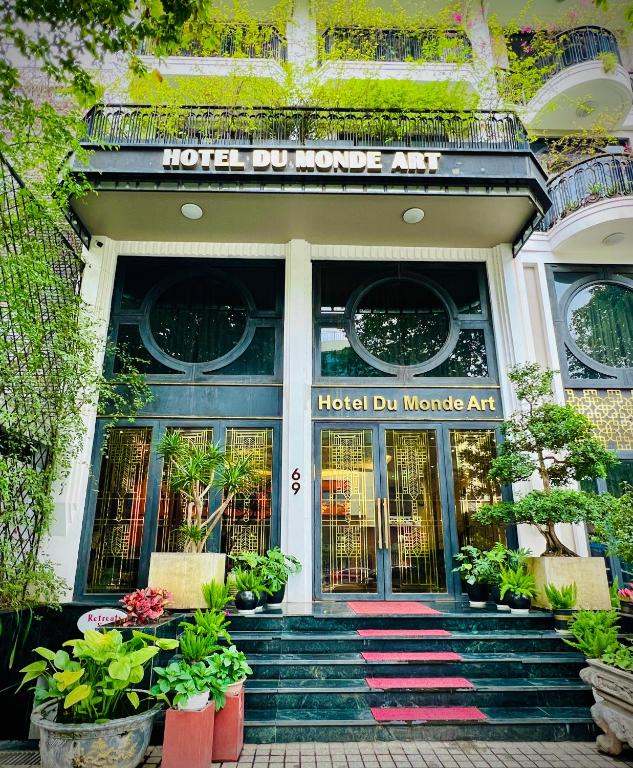
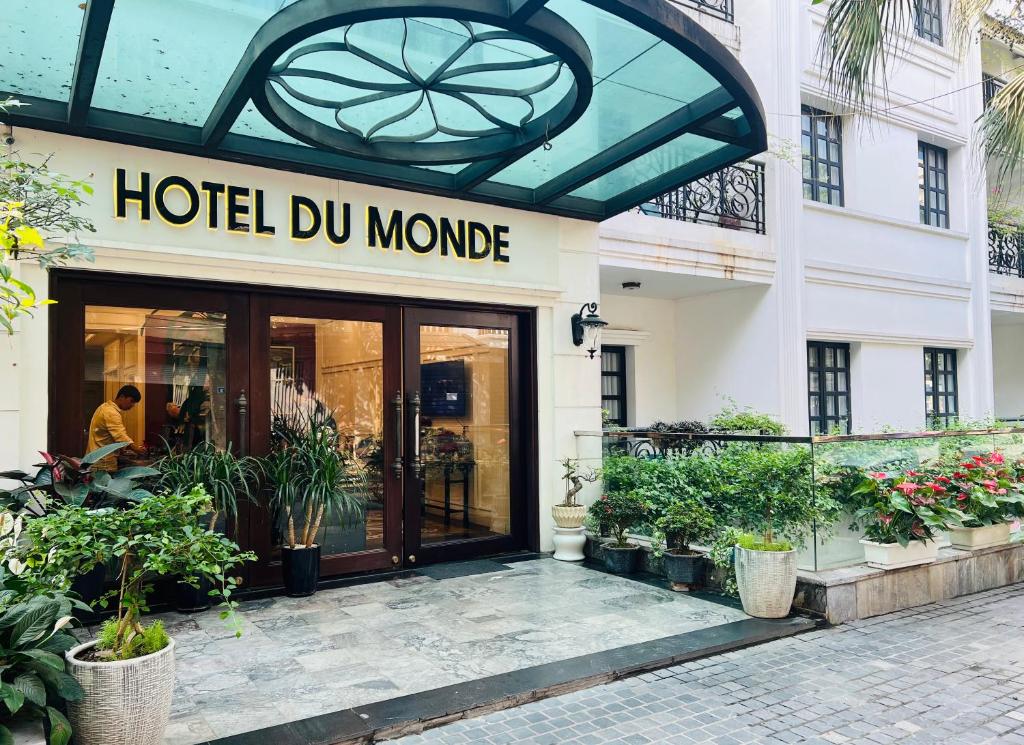
Hotel du Monde is a four-star hotel in Long Bien, Hanoi, with city-view rooms, balcony options, an Asian restaurant and continental buffet breakfast.
Long Bien · 1.9 km from the centre
A 3-star hotel in Long Bien, Hanoi, with family and triple rooms, city-view balconies and terraces, free private parking and WiFi in public areas.
Long Bien · 4.4 km from the centre
A 3-star hotel in Long Bien, Hanoi, with 25 m² private rooms, balcony options including a city view, free private parking and a 24-hour front desk.
Long Bien · 7.0 km from the centre
A four-star hotel in Long Bien, Hanoi, with balcony rooms, a 64 m² family suite, an international restaurant, garden, fitness centre and free private parking.
Long Bien · 2.2 km from the centre
A 3-star hotel in Long Bien, Hanoi, with family rooms, city views, fireplaces, a garden and a paid airport shuttle; Gia Lam Bus Station is 1.4 km away.
Long Bien · 7.0 km from the centre
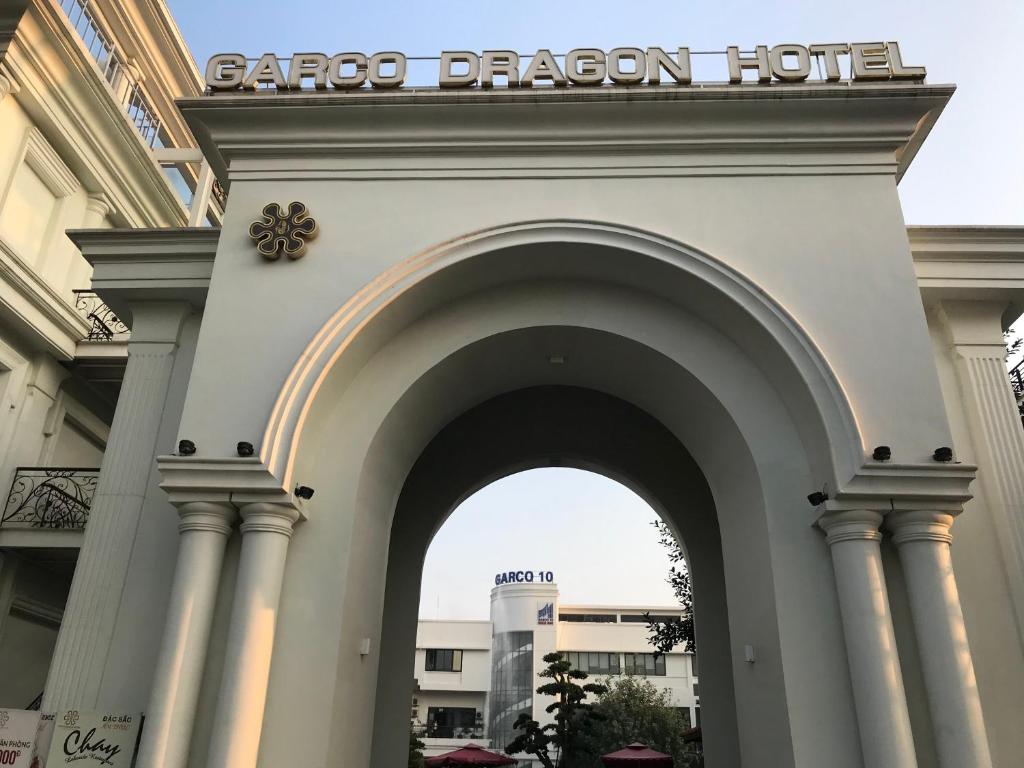
Garco Dragon Hotel is a three-star hotel in Long Bien, Hanoi, with lake- and garden-view Deluxe rooms, Asian dining, a fitness centre and free public parking.
Long Bien · 3.8 km from the centre
A Long Bien aparthotel with self-contained kitchens, lake- and city-view suites and apartments, a garden and terrace, and free public parking nearby.
Long Bien · 5.8 km from the centre
A two-star hotel in Long Bien, Hanoi, with family room options, balconies and terraces, free private parking, a 24-hour front desk and a shared lounge.
Long Bien · 5.6 km from the centre
A hotel in Long Bien, Hanoi, with soundproofed rooms, a garden-view balcony and terrace, free private parking, free WiFi and an airport shuttle.
Long Bien · 2.7 km from the centre
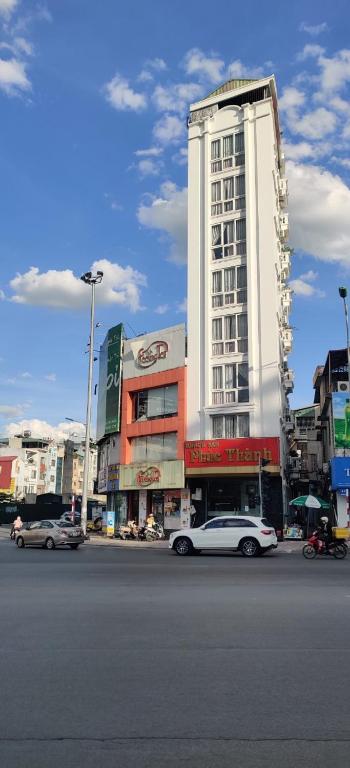
A 2-star hotel in Long Bien, Hanoi, Khách sạn Phúc Thành has air-conditioned rooms, Deluxe options with garden or city views, 24-hour reception and free private parking nearby.
Long Bien is the district on the left bank of the Red River, east of the Old Quarter, reached by the historic Long Bien bridge and several modern bridges. Once a separate town of villages and fields, it has grown into a large residential district with wide roads, new housing estates such as Vinhomes Riverside, shopping centres and Gia Lam station and bus station. It is quieter and greener than the centre, with lower prices, and the Old Quarter is only a few kilometres away across the river.
On this site Long Bien covers the old district, including Gia Thuy, Ngoc Lam, Bo De and Viet Hung. Since July 2025 it has been divided into new wards, but residents and addresses still use the name Long Bien.
Long Bien suits families, visitors on longer stays, business travellers with work in the east of the city or the industrial areas towards Bac Ninh, and travellers who want a quiet, spacious base at lower prices. It is also convenient for buses and trains from Gia Lam to the north-east of Vietnam and for trips to Ha Long Bay by road.
The trade-off is that there are few sights in the district itself: the Old Quarter is about 3 to 6 km away, 15 to 30 minutes by car depending on the bridge traffic, and the evenings are calm.
The 42 properties listed in this area are mostly hotels, followed by apartments and homestays. Hotels are mainly two- and three-star, aimed at domestic travellers and business visitors, and apartments are in the residential complexes along the river and around Vinhomes Riverside. Guest ratings are good, with a median of about 8.6 out of 10 on this site.
As a guide for 2026, rooms cost about 400,000 to 1,000,000 VND a night in most hotels, among the lowest prices close to the centre, and apartments about 700,000 to 1,500,000 VND.
The Long Bien bridge, opened in 1903 as one of the longest bridges in Asia at the time, is the symbol of the district and of the city's history: damaged many times during the war, it is now used only by trains, motorbikes, bicycles and pedestrians. Walking across it at sunset, with views of the river, the banana plantations on the sandbanks and the city skyline, is one of the classic Hanoi experiences.
On the Old Quarter side of the bridge, Long Bien market is a wholesale market busiest at night, and on the district side are the temples and communal houses of the old villages. Aeon Mall Long Bien, a large shopping centre with restaurants, a supermarket and a cinema, is popular with families, and the riverside parks and the Vinhomes Riverside canals are pleasant for an evening walk.
From Noi Bai International Airport, about 25 to 30 km away, the ride takes 35 to 50 minutes and costs about 250,000 to 380,000 VND by ride-hailing car. Gia Lam bus station has buses to the north-east, including Ha Long and Hai Phong, and Gia Lam railway station is on the line to the north.
There is no metro in Long Bien yet. Ride-hailing cars and motorbike taxis take 15 to 30 minutes to Hoan Kiem Lake via the Chuong Duong or Long Bien bridges; traffic on the bridges is heavy at rush hour.
Autumn, from about October to November, is ideal for walks along the river and across the bridge; spring, from March to April, is also pleasant. Summer is hot and humid, and the river is high after heavy rains, while winter is cool and often misty over the water. Around Tet, the Lunar New Year in late January or February, the district is quiet as many residents return to their home provinces.
Long Bien feels like a town of its own. In the older parts, markets, communal houses and narrow lanes keep a village atmosphere, with breakfast stalls and cafés on every corner. In the newer estates, life is modern and spacious, with parks, playgrounds, supermarkets and international schools, and families from all over the city come to the malls at weekends.
The river is always close: in the early morning people exercise on the dyke, and at sunset the bridge and the riverbanks attract photographers and couples. English is less common than in the centre, but the large hotels and malls have English-speaking staff.
For travellers, Long Bien is a calm, good-value base with easy access to the north-east of Vietnam and the historic centre just across the river.
For trips to the north-east of Vietnam, Long Bien is well placed. The roads to Ha Long Bay, Bac Ninh and Hai Phong start on this side of the river, so tours and private cars avoid the traffic of the centre, and Gia Lam bus station has regular buses towards the coast. Many travellers heading to Ha Long Bay by car or bus spend a night here before an early departure.
The district is also close to Bat Trang, the ceramics village on the bank of the Red River, where workshops make pottery and visitors can try the potter's wheel, about 10 km to the south-east. For the classic sights of Hanoi, the Old Quarter is a short ride across the bridges, and walking back across the Long Bien bridge at sunset is the best way to end a day in the centre.
Yes, for quiet, space and good value, and for trips to the north-east by road. For sightseeing in the historic centre, the Old Quarter or the French Quarter are closer.
Yes. The bridge has narrow walkways for pedestrians; it is used by trains, motorbikes and bicycles, but not cars, and the views are best at sunset.
About 3 to 6 km across the Red River: 15 to 30 minutes by car, depending on bridge traffic.
Not yet. Ride-hailing cars and motorbike taxis are the easiest way to reach the centre.